Home › Private Road and Lane Paving
Precision Asphalt New York handles private road paving in Brooklyn, NY for shared driveways, small communities, and long access lanes. We design the structure, base, and asphalt thickness to support everyday traffic and deliveries. Count on reliable drainage, clear edges, and a smooth ride from the street to your property.
Precision Asphalt New York provides professional private road paving throughout Brooklyn, NY, New York and the surrounding area. Our licensed, insured crew delivers safe, clean, on-time work with a free estimate before anything begins. Call (332) 264-5090 or request your free quote.
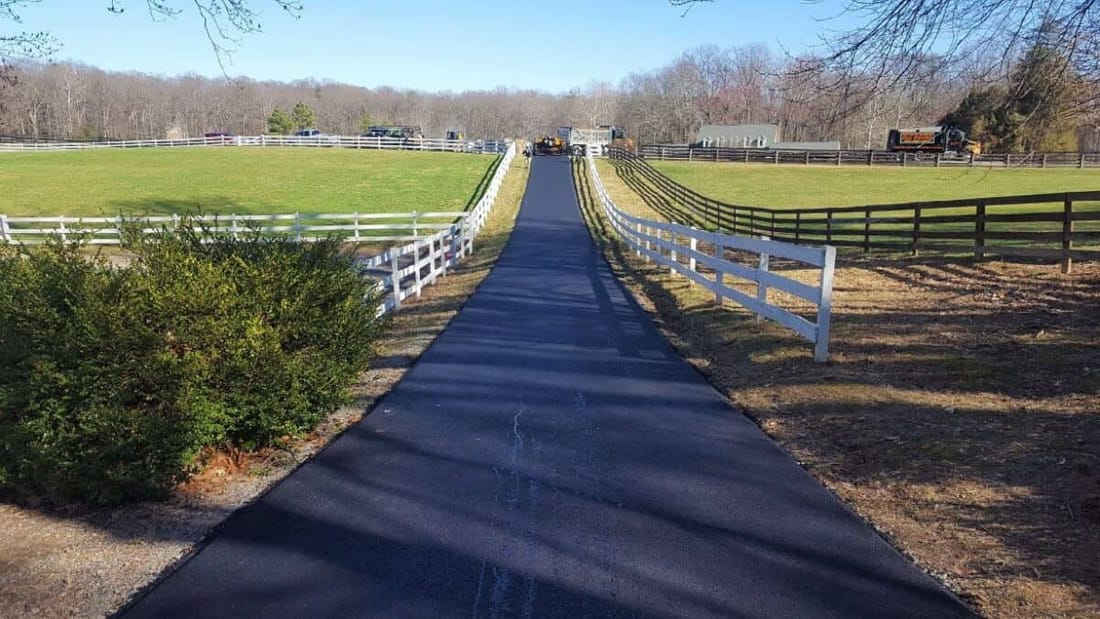
Private Road Paving Specialists in Brooklyn, NY
Private roads and lanes in Brooklyn deal with a very different reality than suburban driveways. Tight access, heavy delivery trucks, winter freeze-thaw, and constant turning movements will quickly destroy a poorly designed road. Precision Asphalt New York focuses specifically on private road paving that works in dense New York neighborhoods, industrial blocks, waterfront areas, and shared access lanes.
We build and repair private roads for residential communities, mixed-use buildings, small industrial yards, and shared drive lanes behind brownstones and warehouses. Before any work begins, we walk the full length of your road, note drainage patterns, overhead clearance, manholes, and utility cut patches, then design the asphalt section that fits how the road is actually used. A lane that only sees passenger cars needs a different build than one that carries box trucks or sanitation vehicles.
Our goal is not just a smooth black surface. We focus on structure, water control, access, and long-term maintenance so your private road or lane stays functional and safe even with New York traffic and winters.
How Private Road and Lane Paving Is Done Step by Step
Effective private road paving starts with the base, not the asphalt on top. Precision Asphalt New York follows a sequence that is tailored to New York City site conditions.
1. Site evaluation and layout: We confirm property lines and the exact limits of the private road or lane. In Brooklyn, many access lanes run close to neighboring buildings and utilities, so we identify gas, water, and electric locations and coordinate with any active tenants or businesses using the lane.
2. Existing surface removal: Old asphalt, failed concrete, or paver material is milled or excavated. In tight Brooklyn alleys we often use smaller skid steers and hand tools so we do not damage adjacent structures or fences.
3. Subgrade inspection and correction: We proof-roll the exposed soil or existing base and mark soft spots that deflect under load. Those areas are undercut and rebuilt with compacted crushed stone, since weak pockets are usually where potholes will form later.
4. Base installation: A well compacted aggregate base is installed to a thickness that matches the traffic. For light car access we may install 4 to 6 inches of compacted stone, while heavier truck traffic may require 8 inches or more. Each lift is compacted with a roller or plate compactor in confined spaces.
5. Drainage shaping: Before any asphalt goes down, we establish the road crown or cross slope, usually 2 percent, so water runs to one side or to installed drains. On private lanes that connect to city sidewalks, we fine tune grades to avoid water backing up at the sidewalk or into garage entrances.
6. Asphalt placement: We install one or more asphalt lifts. Many private Brooklyn roads work best with a binder course (a stronger, slightly coarser asphalt layer) and a surface course on top. In narrower lanes where a paver will not fit, we machine place where possible and hand rake to match door thresholds and drain grates, then compact with steel drum and vibratory rollers.
7. Compaction and finishing: Proper compaction is what locks the asphalt together. Edges at fences, curbs, or building walls are compacted carefully to avoid creating voids that crack in winter. We finish by checking joint lines, transitions to public streets, and any utility castings so vehicles do not feel a bump at every cover.
8. Clean up and access planning: Because many Brooklyn private roads are the only access route, we plan work so at least part of the lane can be used as soon as compaction is complete, while still respecting cure times for striping or sealcoating if specified.
Design Options for Private Roads and Lanes
Not all private roads need the same construction. Precision Asphalt New York explains the options and helps you pick what fits your use and budget.
Pavement thickness and layers: For light duty access roads used mainly by residents in compact cars, a single thicker asphalt course over a solid base may be sufficient. For mixed use roads that see garbage trucks, oil deliveries, or box trucks, we typically recommend a two-layer system with a robust binder course and a smoother surface course. Each additional inch of asphalt or base adds cost but also adds years of service.
Asphalt mix types: In Brooklyn we commonly use dense graded hot mix asphalt that resists rutting under slow turning movements near loading docks and parking stalls. On hills or sharp turns we can specify a mix with better skid resistance to improve traction in rain and snow.
Edge treatments: The edges of a private road are often where damage starts. We can build asphalt flush to existing concrete curbs, install new asphalt curbs, or thicken the asphalt at the edge where it meets soft soil or gravel. In tight rear lanes behind brownstones, a slightly raised edge can keep water away from basements and yard entrances.
Drainage and snow considerations: For private lanes that serve as main winter access, we design grades that allow plow trucks to operate without constantly catching manholes or high joints. We may install concrete aprons at garage thresholds and loading dock entrances so repeated plow contact does not chip the asphalt.
Surface finish and markings: Many private roads do not need full DOT-style markings, but clear striping at fire lanes, loading zones, and pedestrian crossings improves safety. Reflective paint and simple directional arrows can prevent wrong-way driving in narrow Brooklyn alleys.
What Drives the Cost of Private Road Paving in Brooklyn
Cost for private road paving is driven by more than just square footage. Precision Asphalt New York walks owners through the specific factors before any work starts.
Access and logistics: In Brooklyn, getting equipment and trucks to the site can be one of the biggest challenges. Narrow one-way streets, limited staging space, and overhead wires can require smaller machines, more handwork, or night/weekend work, all of which affect cost.
Existing condition: A road that only needs milling and a new asphalt surface will be less expensive than a lane where the base has failed and must be rebuilt. Roads with extensive utility patches, sinking sections, or long standing drainage problems typically require more excavation and stone, which is an upfront cost that prevents repeated repairs later.
Traffic loading: If your private road serves delivery trucks, sanitation trucks, or heavy equipment, we must use thicker base and asphalt, which means more material. Designing for the heaviest likely vehicle is critical; underbuilding a private truck route often leads to rutting and structural failure within a few winters.
Drainage and grading: Correcting poor drainage may require new catch basins, trench drains, or regrading of surrounding gravel or soil shoulders. Installing or adjusting drainage structures involves extra labor and concrete work but prevents water from undermining the pavement.
Scheduling constraints: If the road must remain partially open because it is the only way in or out, we may have to phase the work in narrower sections, return multiple days, or schedule work outside of business hours. This planning protects your access but can modestly increase the project cost.
Material pricing and disposal: Asphalt and stone prices shift with fuel and plant conditions. In Brooklyn, dump fees for excavated material and trucking time to and from plants in Queens, Brooklyn, or Staten Island are part of the real cost structure. We factor these in clearly so there are no surprises.
Common Private Road Problems We Solve
Brooklyn private roads and lanes share a set of recurring issues that we see daily. Precision Asphalt New York has specific ways to diagnose and fix each one.
Pothole clusters and alligator cracking: When cracks form a pattern that looks like alligator skin, it usually signals base failure, not just surface wear. We cut out these areas, remove inadequate base material, rebuild with properly compacted stone, then install new asphalt that ties into the surrounding pavement with clean, sealed joints.
Standing water and ice sheets: Flat private lanes or ones that were paved level to door thresholds often develop puddles that turn to ice in winter. Our crews regrade the surface to introduce a consistent 1.5 to 2 percent slope, sometimes combining this with a trench drain or adjusted curb line, so water has a clear path to escape.
Rutting in turning or loading zones: At building entrances, trash pickup spots, and loading docks, slow turning trucks create ruts. We address this by reinforcing those high stress areas with thicker asphalt, stronger binder mixes, or in some cases a small concrete pad inset into the asphalt where tires sit while loading.
Edge breakup and shoulder erosion: Where asphalt meets soil or loose gravel, water often infiltrates and breaks down the edge. We repair this by cutting back damaged pavement, repairing the base, and either adding a compacted shoulder, installing a concrete or asphalt curb, or thickening the asphalt edge to create a stronger boundary.
Utility cut failures: Many private roads contain patches from gas, water, or telecom work that settle or crack. We saw cut around the failed patch, rebuild the base to match surrounding materials, and repave with proper compaction so the patch does not telegraph as a visible bump.
Timing and Planning Private Road Paving in New York
Because Brooklyn paving work is tied to weather and plant operating schedules, choosing the right time of year matters. Precision Asphalt New York typically recommends scheduling major private road paving between April and early November, when temperatures support proper compaction and curing of hot mix asphalt.
Spring and early summer: This is a good time to rebuild roads that were damaged by winter freeze-thaw cycles. We can see where water collected and design better drainage while conditions are still mild.
Mid-summer to early fall: These months usually offer the most predictable weather and the longest workdays. It is an ideal time for larger private road projects where we need consecutive dry days to complete full reconstruction.
Late fall: We can still successfully pave if temperatures and forecasts cooperate, but we watch night temperatures carefully to ensure the asphalt does not cool too quickly for proper compaction.
Access planning: For shared driveways, co-op or condo access roads, or alleys that serve multiple businesses, we help create a schedule so everyone knows when vehicles must be moved, which sections will be blocked, and when access resumes. We can stage work in halves or thirds so at least one route in and out stays open whenever possible.
Permits and coordination: While private roads are on private property, connections to public streets, sidewalk cuts, and any work impacting DOT-regulated areas may require permits. We advise owners and property managers on when permits are needed and coordinate our schedule to align with any city requirements.
Work With Precision Asphalt New York on Your Private Road
Whether you manage a small residential association in Brooklyn, own a warehouse with a busy loading lane, or share a long rear access road with neighboring properties, you need pavement that holds up to New York conditions. Precision Asphalt New York combines structural design, practical field experience, and local logistics know-how to produce private roads and lanes that last.
We start by understanding exactly how your road is used, then we inspect the existing pavement, base, and drainage before proposing a plan. You get clear explanations of the work, material options, schedule, and costs, with specific attention to keeping your tenants, residents, or operations functioning while we pave.
If you are considering private road paving or reconstruction anywhere in Brooklyn, contact Precision Asphalt New York for an on-site assessment. We will walk the road with you, point out potential risks or hidden issues, and provide a detailed plan to repair or rebuild it the right way the first time.