Home › Parking Lot Paving & Installation
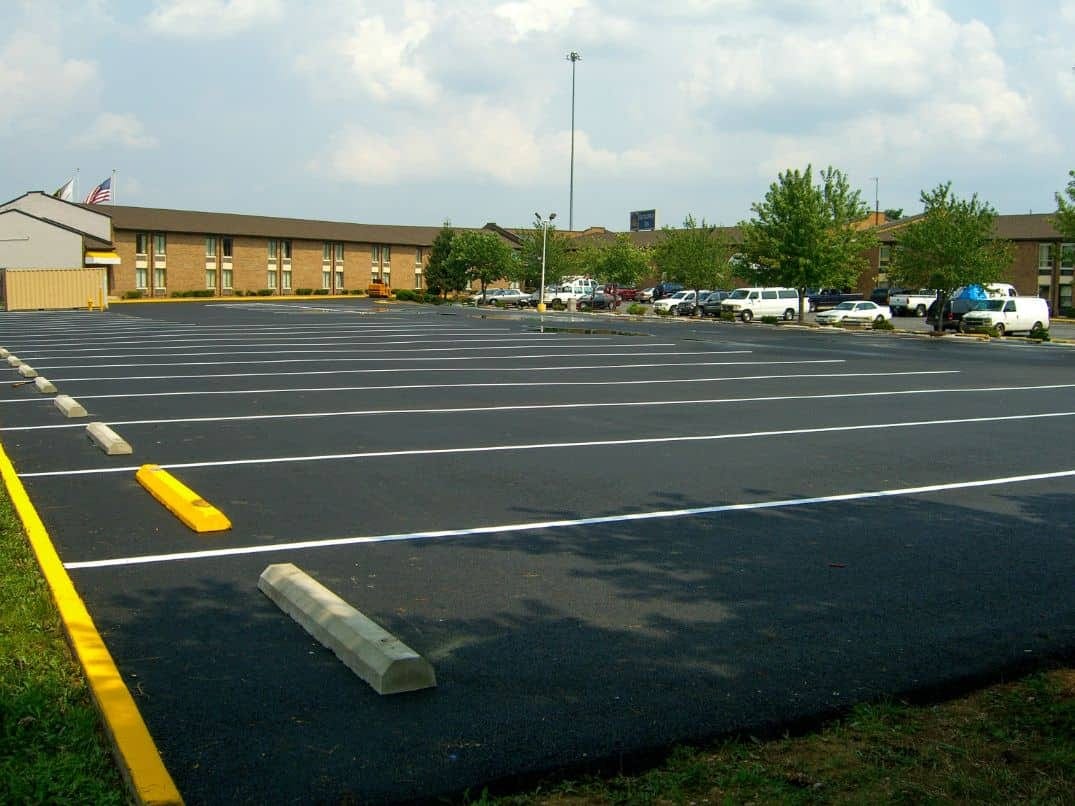
Precision Asphalt New York provides asphalt parking lot paving in Brooklyn, NY for businesses, offices, and multifamily properties. We design and build lots with proper base, pitch, and thickness to handle daily traffic and heavy loads. From layout to final striping, our team delivers a safe, efficient parking area that presents a professional image.
Precision Asphalt New York provides professional asphalt parking lot paving throughout Brooklyn, NY, New York and the surrounding area. Our licensed, insured crew delivers safe, clean, on-time work with a free estimate before anything begins. Call (332) 264-5090 or request your free quote.
Asphalt Parking Lot Paving in Brooklyn, Built for Real-World Use
A parking lot in Brooklyn has to handle more than just parked cars. It deals with delivery trucks, tight turns, winter freeze-thaw cycles, and constant foot traffic. Precision Asphalt New York designs and installs asphalt parking lots specifically for how they will be used on your property, not from a one-size-fits-all template.
When you call us about asphalt parking lot paving, we start by asking how your lot will actually function. For example, a small lot for a corner dentist office in Bensonhurst needs a different layout and pavement thickness than a busy supermarket on Atlantic Avenue with regular truck deliveries. We look at how many spaces you need, where vehicles enter and exit, where snow can be piled in winter, and how drainage will work around existing buildings and sidewalks.
A practical layout is critical in Brooklyn, where space is tight and every square foot matters. We plan traffic flow to avoid blind corners, tight backing areas, and bottlenecks at the entrance. If needed, we coordinate with existing curb cuts and NYC DOT requirements so vehicles can safely enter and exit your property. We also consider ADA-compliant accessible spaces and paths to the building, which must be planned before paving begins, not as an afterthought.
From the start, we talk with you about the expected load on the pavement: mostly passenger cars, or regular box trucks and tractor trailers. That determines the pavement structure we recommend. By matching asphalt thickness and base depth to your actual use, Precision Asphalt New York aims to install a parking lot that holds up for many years instead of one that looks good on day one but fails early.
How We Build a Durable Asphalt Parking Lot in New York
A long-lasting parking lot is all about what is under the black surface. Precision Asphalt New York follows a step-by-step process that focuses heavily on subgrade and base preparation, which is where many cheap jobs cut corners.
1. Site evaluation and layout: We measure your lot, check existing grades, and identify any soft or low areas. In older Brooklyn properties, especially converted warehouses or lots that were once backyards, we often find buried debris or fill that must be removed or compacted correctly.
2. Excavation and subgrade prep: We remove unsuitable material to the depth needed for the new pavement section. The subgrade (native soil) is graded and mechanically compacted. In areas with clay or historically wet ground, we may recommend additional excavation and a thicker stone base so the pavement does not move or settle.
3. Installing the stone base: A well-graded crushed stone base is placed and compacted in layers. For light-duty parking (mostly cars) that might be 4 to 6 inches of stone. For heavy-duty use with trucks or loading docks, we often go to 8 inches or more. The base is fine-graded so water will move to catch basins or out to the street without creating standing puddles.
4. Binder course asphalt: On top of the stone we install a binder course, usually a coarser asphalt mix that provides strength. Thickness commonly ranges from 2 to 3 inches, depending on the design. Binder is carefully compacted with steel drum and pneumatic rollers so it locks together and supports the surface layer.
5. Surface course asphalt: The top layer is a finer mix that gives you a smoother finish and better appearance. Typical thickness is 1.5 to 2 inches. We use commercial-grade mixes suitable for New York traffic and climate, not driveway-grade material. Joints are staggered and compacted properly so you do not end up with weak lines that crack early.
6. Transitions and joints: Tie-ins to sidewalks, existing pavement, or garage entrances are milled or saw-cut so the finished surface sits flush with no trip edge. At catch basins and drains, we build tight asphalt collars so water flows cleanly and does not erode the edges.
7. Final compaction and cooling: After final rolling, the lot must cool and set before traffic is allowed. In Brooklyn we usually recommend keeping vehicles off new asphalt for at least 24 hours in mild weather, longer in hot summer sun when the surface can scuff more easily.
Dealing With Brooklyn Weather, Drainage, and Local Conditions
New York weather and city infrastructure place specific demands on asphalt parking lots. Precision Asphalt New York designs with these realities in mind so your new lot does not fail early from preventable issues.
Freeze-thaw cycles are one of the biggest problems. Water that sits on or under the pavement in November will freeze, expand, and create cracks and heaving by March. To reduce this risk, we give careful attention to pitch and drainage. A typical lot is sloped at roughly 1.5 to 2 percent so water moves steadily to drains or the street. Where city catch basins are higher or older, we may adjust grades or recommend adding internal catch basins so water does not pool near entrances.
Brooklyn also has many older lots that were paved over multiple times without proper milling or base work. This often leaves thick, uneven layers of asphalt that trap water and cause reflective cracking. On these projects we may recommend milling off old layers or doing a full-depth reconstruction. While this costs more up front, it usually saves money compared to repeatedly patching a structurally weak surface.
In tight neighborhoods, access can affect both how we work and how we design the lot. Narrow streets and limited staging areas mean we have to plan truck deliveries and equipment movement around your operating hours and local parking rules. This is part of our site planning, not an afterthought on paving day.
Timing the work is also important. In New York, the most reliable paving window is typically April through early November, when temperatures allow the asphalt to compact and cure correctly. We can pave in cooler weather, but we plan crews and truck timing more tightly so the material does not cool before it is fully rolled. For businesses that cannot shut down during the day, we can schedule weekend or phased work, such as completing half the lot at a time so you maintain some parking availability.
What Affects Cost and What Choices You Have
Parking lot paving costs in Brooklyn are driven by more than just square footage. Precision Asphalt New York gives itemized proposals so you can see what you are paying for and where there may be options.
Key cost drivers include:
• Existing conditions: If your current lot needs full-depth removal, extensive milling, or has failing subgrade, that increases excavation and disposal costs. Lots with many underground structures, such as old oil tanks or utility access points, may also require extra attention.
• Pavement structure: The total thickness of stone base, binder, and surface depends on use. A small lot for a professional office with passenger cars can use a lighter section than a lot serving delivery trucks and constant traffic. Investing in more base and thicker asphalt in heavy-use areas like drive lanes and loading zones usually pays off in longer life.
• Drainage and concrete work: New or adjusted catch basins, trench drains, curb work, and concrete aprons at entrances add to the project cost but are often necessary to prevent standing water, curb damage, and violations.
• Phasing and access: If we must pave in multiple phases to keep sections of your lot open, or work only at off-peak hours, production slows and labor costs rise. We are upfront about these factors so you can decide if faster completion or more open parking spaces is the priority.
You also have choices about finishes. Many commercial owners in New York choose to apply a sealcoat one to two years after paving to slow oxidation and improve appearance. We generally do not recommend sealing brand-new asphalt immediately, since it needs time to cure and release oils. For line striping, we can lay out standard parking rows or tighter configurations that fit more vehicles, as long as they still meet local and ADA requirements.
We can also reinforce specific high-stress areas, such as dumpster pads, fire lanes, or loading docks, with thicker asphalt or concrete pads, instead of overbuilding the entire lot. This targeted approach can keep costs reasonable while improving performance where it matters most.
Working With Precision Asphalt New York and What to Ask Any Paving Contractor
Having your parking lot rebuilt or newly installed is a significant investment and can disrupt business if it is not planned correctly. Precision Asphalt New York focuses on clear communication before and during the job so you know what to expect and can keep customers and tenants informed.
Before you sign a contract, we walk the site with you and explain how we plan to stage the work. For retail and medical offices, we might schedule paving in segments so you always have some open spaces. For residential buildings, we may work mid-day when parking demand is lower, or coordinate with your management to notify residents well in advance.
We also welcome detailed questions, and we encourage you to ask any Brooklyn paving company at least the following:
• How thick will the stone base, binder, and surface layers be, and will that be written in the contract?
• How will you handle drainage and what slope are you planning toward drains or the street?
• Are you milling or removing existing asphalt, or just overlaying, and why?
• What mix types will you use for binder and surface, and are they suitable for commercial traffic in New York?
• How will you protect adjacent sidewalks, curbs, and landscaping during the work?
Clear answers to those questions are often the difference between a short-lived overlay and a properly built parking lot. During construction, we keep you updated on schedule, weather impacts, and when you can reopen different sections of the lot.
After the job is complete, we walk the site with you again, review the striping layout, confirm that drainage is working as planned, and go over basic maintenance such as when to plan for the first sealcoat, how to handle de-icing safely, and what kind of loading the pavement is designed to handle. Our goal is to leave you with an asphalt parking lot that works every day, not just one that looks new in photos.