Home › Industrial and Heavy-Duty Asphalt Paving
Precision Asphalt New York delivers industrial asphalt paving in Brooklyn, NY for truck yards, warehouses, and loading areas. We design thicker sections, robust bases, and reinforced edges to withstand heavy equipment and constant traffic. Protect your facility from rutting and failures with pavement built for industrial demands.
Precision Asphalt New York provides professional industrial asphalt paving throughout Brooklyn, NY, New York and the surrounding area. Our licensed, insured crew delivers safe, clean, on-time work with a free estimate before anything begins. Call (332) 264-5090 or request your free quote.
Industrial Asphalt Paving Built for Brooklyn Workloads
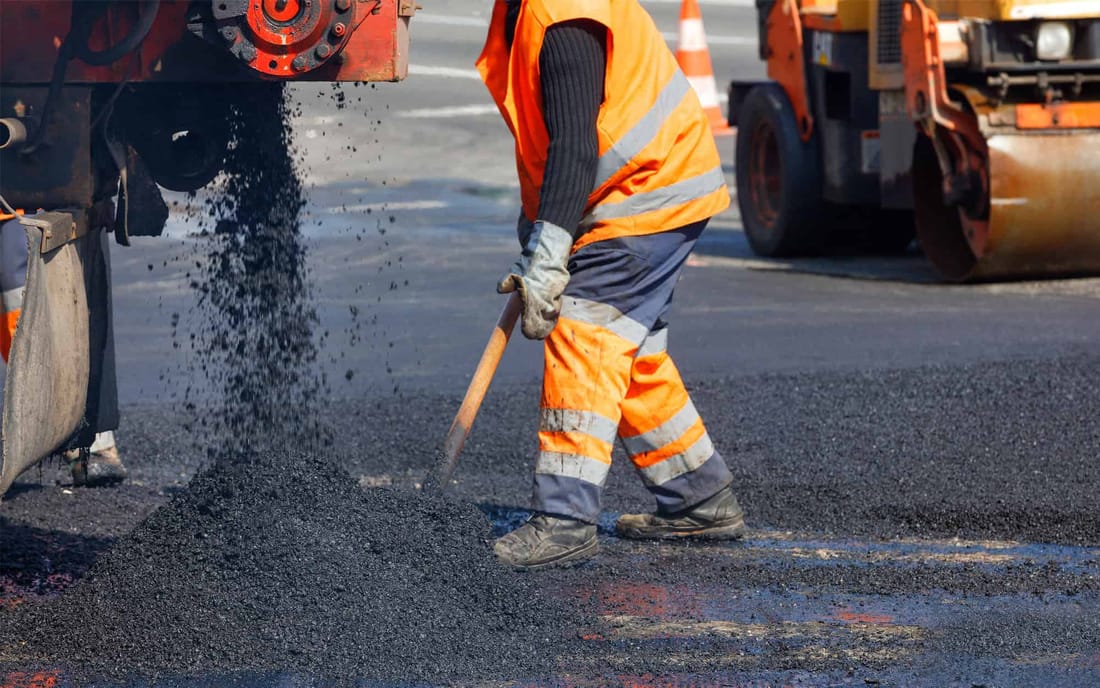
Industrial and heavy-duty asphalt paving in Brooklyn is all about handling abuse: trucks backing in all day, forklifts pivoting in tight yards, fuel drips, freeze-thaw cycles, and constant patchwork utility cuts. Precision Asphalt New York designs every industrial asphalt surface around those realities, not just around a drawing on paper.
When we look at a site, we start with how your operation actually uses the pavement. Are you running 53-foot trailers into a narrow Red Hook loading dock, or is it a manufacturing yard in East New York with forklifts running the same tire paths 12 hours a day? That determines where we thicken the asphalt, where we reinforce the base, and how we slope everything for drainage so you are not dealing with icy ruts and ponding water every winter.
Brooklyn properties often sit over old fill with layers of past construction, cinders, and debris. That hidden history is a big reason industrial asphalt fails early. Our crews do test cuts and probing so we know what is under there before we price or design the job. It takes more time up front, but it keeps you from paying for a heavy-duty asphalt surface that looks good at first then starts to shove and rut as soon as the first tractor trailers arrive.
How Heavy-Duty Asphalt Pavement Is Actually Built
For industrial asphalt paving, the structure under the black surface is what really matters. Precision Asphalt New York typically builds heavy-duty sections in three main layers: subgrade, aggregate base, and multiple asphalt lifts.
We start by stripping the existing surface and exposing the subgrade. In Brooklyn, that might be sandy soil near the waterfront, clay pockets further inland, or old rubble. We proof-roll the area with loaded equipment to find soft spots, then undercut and replace any pumping areas with compacted stone. If groundwater is an issue, we install French drains or underdrains so the base never sits saturated.
Next comes the aggregate base. For truck yards and loading areas, we usually install at least 8 to 12 inches of compacted crushed stone, sometimes more for distribution centers or waste facilities. We place the stone in lifts and compact each one with vibratory rollers, checking density along the way. This locked-in base is what keeps your asphalt from flexing and cracking under repetitive loads.
On top of this, we place industrial-grade asphalt in multiple lifts. A common heavy-duty build-up might use 2 to 3 inches of binder course (coarser, stronger asphalt that resists shear) and 1.5 to 2 inches of surface course (tighter mix for smoothness and fuel resistance). On very high load areas like bus depots or transfer stations we may add a second binder lift or use a modified, higher-stability mix. We roll each lift while it is at the right temperature to knit the layers together so you get one monolithic mat instead of separate sheets that can delaminate.
Design Choices That Affect Performance and Cost
One industrial asphalt paving project in Brooklyn can cost twice as much as another that looks similar on a simple plan, usually because of differences you cannot see at first glance. Precision Asphalt New York walks you through those choices so you understand where your money is going.
Load and traffic patterns are the first driver. If you have occasional box trucks and mostly cars, we may be able to keep the asphalt section thinner in peripheral areas and only beef up the drive lanes and loading pads. If you run tandem dump trucks or container chassis that turn tightly in one zone, we focus the heaviest design there and may even recommend concrete aprons where tires pivot in place.
Site drainage is the second big cost factor. Many Brooklyn industrial lots are dead flat or were paved over without much thought to where water goes. Standing water shortens asphalt life and creates safety hazards in winter. Improving drainage might mean regrading areas, installing catch basins, or adding trench drains across loading dock entrances. This adds upfront cost, but it is often the difference between pavement that holds 3 years and pavement that holds 15.
Mix type and additives also matter. Standard DOT-style mixes are fine for many industrial yards, but if you store chemicals, fuels, or run a lot of tracked equipment, we may specify a stiffer, polymer-modified or rut-resistant mix in key areas. These mixes cost more per ton but significantly cut down on rutting and surface tearing, especially on uphill approaches and braking zones.
Finally, Brooklyn access and logistics can influence pricing. Tight streets in Gowanus or Bushwick may require smaller trucks or night work to get asphalt in and out without blocking traffic. Utility coordination is another local wrinkle; with so many Con Edison and DEP cuts over time, we often end up rebuilding around manholes, valve boxes, and trenches so you do not inherit someone else’s weak spot.
Common Industrial Pavement Problems and How We Prevent Them
Most of the industrial asphalt issues we are called to fix in Brooklyn fall into a few patterns: rutting in truck lanes, alligator cracking in loading zones, settlement near buried utilities, and breaking around drain inlets. Precision Asphalt New York designs and builds with those specific failures in mind.
Rutting and shoving usually come from thin sections, poor base, or mixes that are too soft for the load. We counter that with thicker binder courses, high quality compacted stone base, and mix designs suited to expected weights. In constant-turn areas like forklift lanes, we often extend the heavy-duty section an extra few feet past what is on the original drawings, because in the real world operators do not always drive perfectly straight.
Alligator cracking in Brooklyn yards is commonly tied to inadequate compaction when a patch or past resurfacing was installed. When we rehabilitate an industrial lot, we do not just overlay over those weak areas. We cut them out, fix the base, and tie back into sound pavement with saw-cut edges and tack coat so loads transfer correctly across the seam.
Settlement at trenches and manholes is another local headache. Brooklyn is full of old utility work. When we see a history of cuts, we will often reinforce those zones with a thicker stone backfill, geogrid reinforcement, or a heavier binder course. Around catch basins and inlets, we rebuild the concrete collars and ensure the grate sits on a stable structure so the asphalt does not crumble away from it after one winter.
Fuel and chemical exposure can dissolve or soften asphalt over time, especially in truck fleets and industrial plants. If that is your reality, we can specify more resistant surface courses, apply protective sealers in small containment areas, or design concrete pads in the tightest fueling or loading locations, with heavy-duty asphalt tying in everywhere else.
What Brooklyn Industrial Clients Can Expect When You Hire Us
Industrial and heavy-duty asphalt paving cannot shut you down for weeks, so we build every project plan around your operations. Precision Asphalt New York stages work so you keep access to docks and parking wherever possible, often dividing the site into phases and scheduling the heaviest work during your slowest hours or weekends.
Before any machines roll in, we walk the site with you and identify critical access points, emergency vehicle routes, and any time restrictions your neighbors or the city impose. For older industrial buildings in Brooklyn, we pay close attention to basement areas near the property line so regrading does not push water toward existing structures. We also verify clearances for loading dock heights so new pavement thickness does not leave you with trailers sitting too high or low.
During construction, our foreman remains on-site as your direct contact. We coordinate asphalt deliveries based on real-time traffic conditions over bridges and through local streets so the material arrives at proper temperature and you get a smooth, well-compacted mat. At the end of each shift we leave clean, ramped edges so forklifts and trucks can cross safely until the next phase.
After the paving is complete, we provide a basic maintenance plan tailored to your site: where to watch for early cracking, how to handle small fuel spills, and the right timing for any future sealcoating or striping. We also note any utility or drainage items we discovered during the job so you know exactly where potential weak points are long term. Our goal is not just to install heavy-duty asphalt once, but to give you a surface that fits how you work in Brooklyn and stays functional for as many years as possible.