Home › Asphalt Striping and Pavement Markings
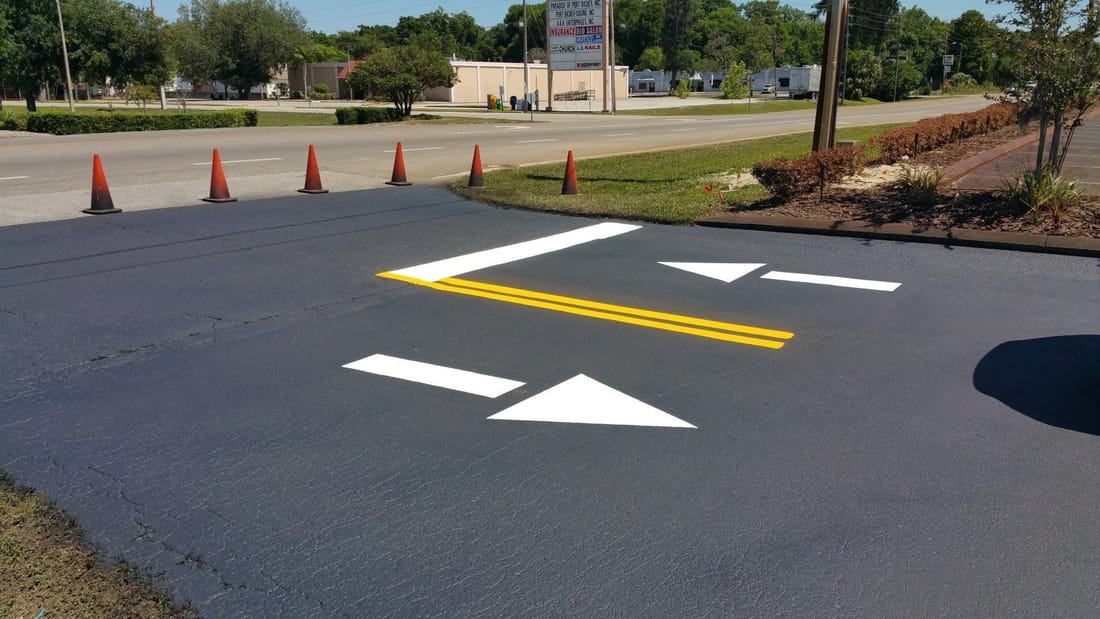
Precision Asphalt New York offers asphalt striping in Brooklyn, NY to keep your parking lots organized and code compliant. We paint parking stalls, directional arrows, fire lanes, and ADA accessible spaces with high quality traffic paint. Fresh, accurate markings improve traffic flow, safety, and the professional look of your property.
Precision Asphalt New York provides professional asphalt striping throughout Brooklyn, NY, New York and the surrounding area. Our licensed, insured crew delivers safe, clean, on-time work with a free estimate before anything begins. Call (332) 264-5090 or request your free quote.
Clear, Compliant Asphalt Striping for Brooklyn Properties
When your parking lot or driveway markings fade, problems follow: confusing traffic flow, fender benders, blocked fire lanes, and tickets from the city. Precision Asphalt New York focuses on asphalt striping and pavement markings that fit how Brooklyn properties are really used, from tight residential lots in Dyker Heights to busy mixed‑use buildings along Atlantic Avenue.
We start by walking the site with you. We look at how cars actually move, where delivery trucks swing wide, where pedestrians cut across, and how the current layout is working or failing. Instead of simply repainting old lines, we suggest practical changes, such as adjusting stall angles for easier parking or widening aisles where SUVs and work vans struggle. Every project is planned to align with New York City Fire Department and DOT requirements, as well as ADA guidelines for accessible parking.
Our striping plans are drawn to scale so you know exactly how many spaces you will get, where arrows and stop bars go, and how loading and pickup areas are organized. For small Brooklyn lots, that often means getting creative with compact spaces and one‑way traffic patterns that reduce bottlenecks at the entrance and exit.
Our Asphalt Striping Process, Step by Step
Effective pavement markings start with surface preparation. We begin by cleaning the asphalt thoroughly using power blowers and, where needed, wire brushing and scraping to remove loose paint, dirt, oil, and vegetation. On Brooklyn lots that collect road salt and winter grit, we pay extra attention to corners and low spots so new paint can bond properly.
If existing lines are badly misaligned or the layout is changing, we perform line removal using grinding, scraping, or blacking out old stripes with a compatible asphalt sealer. For storefronts and residential complexes, we typically black out unneeded markings so the surface is not scarred and the lot still looks uniform.
Next, our crew lays out the new striping using chalk lines, tape, and layout wheels. This is where spacing matters. Standard parking stalls are usually 8.5 to 9 feet wide in Brooklyn, but we adjust based on your tenant or customer vehicles. Compact car spots are only used where they truly make sense. Once the layout is checked with you, we apply paint using airless striping machines that create crisp, consistent lines.
We finish by adding symbols and specialty markings such as ADA wheelchair logos, crosshatching in no‑parking areas, arrows, and wording like "FIRE LANE" or "NO PARKING" as required. Before we leave, we inspect the entire lot for clarity and consistency so new visitors can understand the layout without thinking twice.
Materials and Design Options for Long‑Lasting Markings
Precision Asphalt New York uses primarily high quality traffic marking paints designed for asphalt. For most Brooklyn applications, we recommend waterborne acrylic traffic paint because it cures quickly, has low odor, and stands up well to Northeast weather. On high‑traffic entrances, loading docks, and drive lanes that see frequent delivery trucks, we can use more durable, high build or epoxy systems when appropriate and within budget.
Color choices are based on standard conventions that help you avoid confusion or violations. Parking stall lines are typically white. Yellow is used for curbs, loading zones, and some no‑parking areas where extra visibility is needed. Blue is used for ADA accessible spaces and hash‑marked access aisles. Red curb or pavement markings may be recommended for fire lanes if required by your local code or managing authority.
Design details matter for safety. We can install wider stop bars at exits to busy Brooklyn streets so drivers stop where they have the best sightline. In areas with frequent snow and plowing, we increase line thickness so markings remain visible longer between restriping cycles. For mixed pedestrian and vehicle areas, we recommend bold crosswalks that extend slightly into the driving lane, which makes drivers slow down earlier.
If your property has unique needs like bike parking, e‑bike charging areas, rideshare pickup zones, or school drop‑off lanes, we incorporate those into the striping plan with custom wording and icons so everyone knows where they belong.
Local Code Compliance, ADA Spaces, and Safety Markings
Pavement striping in New York is not just about neat lines. You must meet specific requirements for accessible parking, fire department access, and safe traffic flow. Precision Asphalt New York keeps Brooklyn and New York City standards in mind on every project.
For ADA compliance, we calculate how many accessible spaces your lot requires based on total stall count. We size those stalls correctly, add the required access aisle, position them near primary entrances, and stripe the blue crosshatching so it is clearly understood as a no‑parking zone. We also install the proper wheelchair symbols on the pavement and can coordinate signpost installation heights and locations if needed.
In multifamily and commercial properties, fire lanes and loading zones are critical. We stripe and label fire lanes with clear wording and highly visible color so enforcement is straightforward and emergency vehicles have the access they need. For busy Brooklyn streets lined with parked cars, we pay attention to how trucks will turn into your lot so turning radii and no‑parking zones are marked realistically, not just on paper.
We also consider liability. Clear crosswalks, stop lines, and directional arrows help reduce accidents. For properties near schools, playgrounds, or senior centers, we can add high visibility markings and additional warnings at pedestrian crossings to reduce risk.
What Affects the Cost of Asphalt Striping in Brooklyn
Several specific factors determine the price of asphalt striping and pavement markings, and understanding them helps you budget realistically.
Lot size and layout complexity are the biggest drivers. A simple row of lined parking spaces with a few arrows is far less labor intensive than a multi‑level layout with compact stalls, loading zones, and custom wording. In Brooklyn, many lots are irregular shapes around existing buildings, which means more layout time and custom measurements.
Existing conditions matter as well. If old lines must be removed, blacked out, or corrected, that adds steps and materials. Oil‑stained areas may need priming so new paint bonds correctly. Cracked or heavily alligatored asphalt can limit how sharp the lines will look, and sometimes we recommend crack filling or patching before striping so you are not repainting over failing pavement.
Material choice also affects cost. Standard traffic paint is economical and appropriate for most areas. If you request upgraded high build, epoxy, or reflective bead‑enhanced markings for better night visibility, that will be priced separately. Brooklyn properties that stay busy late, such as restaurants and event spaces, often benefit from reflective options near entrances and pedestrian crossings.
Finally, access and timing play a role. If striping must be done in short overnight windows or in multiple phases to keep sections of the lot open, we schedule more mobilizations, which can impact overall price. We are transparent about these variables and will walk you through line by line so there are no surprises.
Common Striping Issues in Brooklyn and How We Handle Them
Urban conditions in Brooklyn create specific challenges for asphalt striping that we plan for from the start. One of the most common problems is accelerated fading from constant traffic, snow plowing, and deicing salts. To counter this, we use paints rated for high traffic, increase line thickness where appropriate, and recommend a realistic restriping interval, usually every 18 to 36 months depending on use.
Another issue is drainage and standing water. Puddles can keep paint from curing correctly and will cause early failure. Before striping, our crew checks for low areas. If needed, we adjust scheduling so we work when the surface is fully dry, and we may recommend minor leveling or patch work in severe cases. We will not paint through water just to finish quickly because that only leads to peeling lines and wasted money.
Tight access is another Brooklyn trademark. Many lots only allow a single way in and out and are shared with daily deliveries. Precision Asphalt New York coordinates phased striping, blocking off only sections of the lot at a time so businesses and residents still have access. We post clear temporary signage and communicate a simple schedule so drivers know where to park on each day.
Finally, winter timing matters. Cold temperatures and late season striping can cause problems if the paint cannot cure. We track forecasts and will advise if conditions are not suitable. When we do stripe in cooler months, we adjust materials and application rates to ensure proper bonding and durability.
What to Expect When You Hire Precision Asphalt New York
From the first call, our focus is on making the striping process straightforward for Brooklyn property owners and managers. We start with a site visit to measure the lot, review any current violation notices or concerns, and talk through how your visitors use the space at different times of day.
We then provide a written proposal that includes a layout description, line counts, specific markings to be installed, and any recommended corrections such as additional ADA spaces or reconfigured traffic patterns. If you already have a plan from an architect or engineer, we will follow it, but we will also flag any practical issues we see based on real‑world use.
Before work begins, we agree on a schedule that fits your operations. For busy Brooklyn businesses, that usually means evenings, early mornings, weekends, or phased sections. We ask that vehicles be moved from the work area and can provide notices for tenants or customers to make that easier.
On the job day, we clean, lay out, and stripe according to plan, then walk the site with you or your representative when possible. We explain cure times (often 30 to 60 minutes to reopen to light traffic for standard paint, longer for heavy traffic or specialty materials) and any areas that should be avoided for a bit longer.
After completion, you will know exactly what was done, where, and how to maintain it. Precision Asphalt New York is local, so if you need touch ups after other contractors work on site or you expand your lot, we can return quickly and keep your markings consistent and clear.